Winter Weather Safety: Insights From the Law Offices, P.C. Attorneys Sanford M. Hill & Dakota Finster— The LawDoc Serving Georgia
Winter weather can turn everyday travel into a serious safety challenge. Snow, ice, freezing rain, and shorter daylight hours all increase the chances of accidents on the road. Whether you are behind the wheel or walking near traffic, understanding how winter conditions affect visibility, traction, and overall safety can help you stay protected during the coldest months of the year.
At the Law Offices, P.C. Attorneys Sanford M. Hill & Dakota Finster — known across GA as the LawDoc — we understand how dangerous winter conditions can be for Georgia drivers and pedestrians. Awareness and preparation are key to reducing preventable injuries.
Why Winter Roads Become More Hazardous
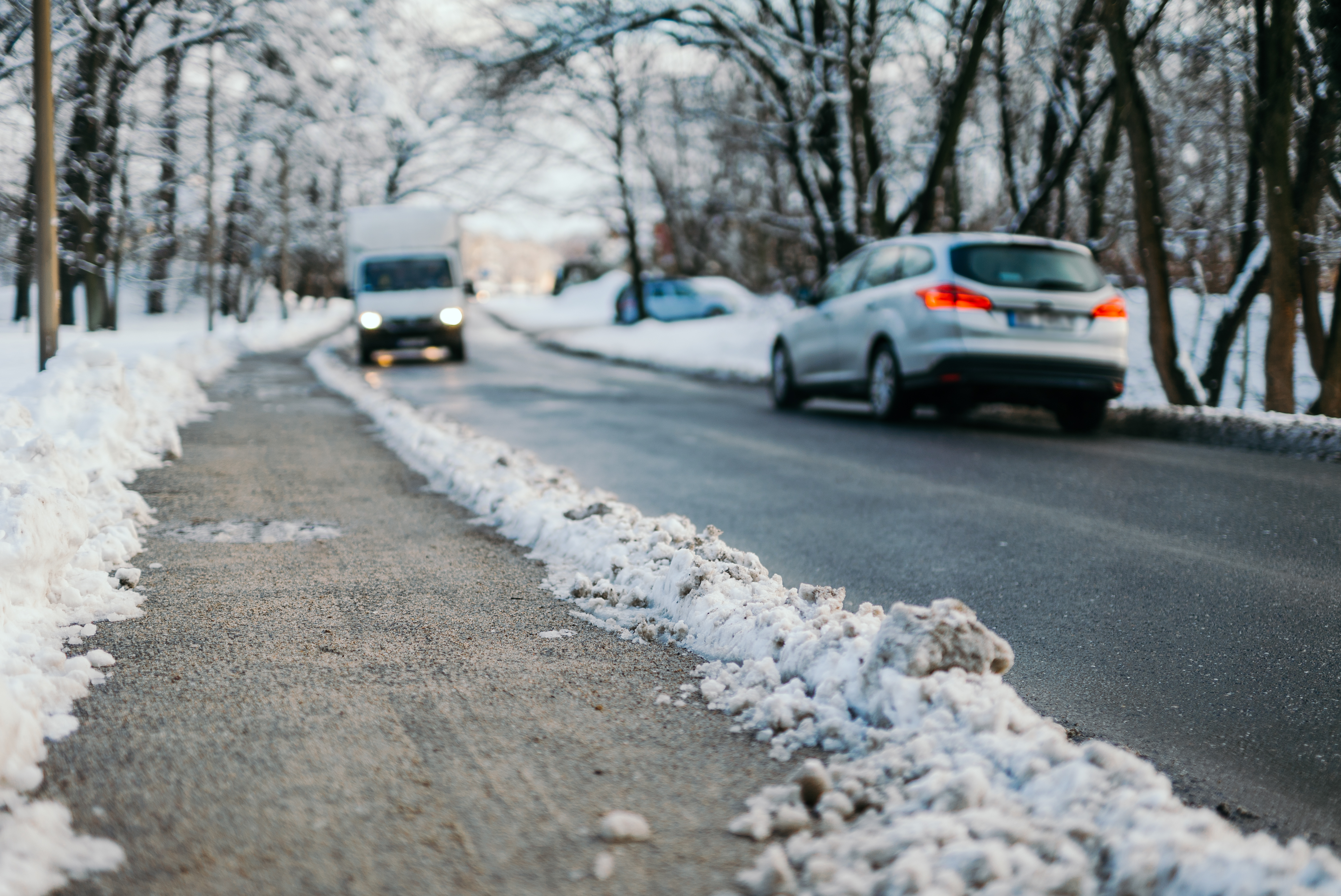
Cold-weather conditions dramatically change how vehicles handle. According to the Federal Highway Administration, nearly a quarter of all weather-related crashes occur on snowy, icy, or slushy roadways. Many also happen during active snowfall, when visibility drops and pavement quickly turns slick. With reduced traction, drivers find it harder to steer or stop—and even small mistakes can result in serious collisions.
One of the most dangerous winter threats is black ice. This thin, nearly invisible layer forms overnight or during early morning hours, making it extremely difficult to detect. Even experienced drivers can lose control in seconds when encountering black ice at normal speeds. Nationwide, icy roads contribute to more than 150,000 crashes each year and hundreds of fatalities.
Shorter daylight hours add yet another layer of risk. During winter, many Georgians commute in the dark, making it harder for drivers to see pedestrians and for pedestrians to judge vehicle distance and speed. Snowbanks, unplowed walkways, and dark clothing further reduce visibility. Since nearly 80% of pedestrian fatalities occur at night, winter conditions significantly increase danger for anyone walking near traffic.
Frequent Driving Mistakes That Lead to Winter Accidents
Many winter accidents are preventable, but common errors dramatically increase risk. One often overlooked mistake is failing to remove all snow and ice from a vehicle. Snow left on the roof can slide down onto the windshield or blow off and create visibility issues for nearby drivers. Several states—such as New Jersey and Pennsylvania—require full vehicle clearing, and while Georgia may not have identical laws, the safety principles remain just as important.
Driving too fast for road conditions is another leading cause of winter collisions. Posted speed limits are designed for normal weather; on icy or snow-covered pavement, they’re often unsafe. Tailgating, failing to use headlights in snowy or low-light conditions, and slamming on the brakes all increase the likelihood of losing control. Sudden steering can cause skidding, especially on rural roads or bridges that freeze more quickly than standard pavement.
Additional Risks on Rural Roads and Highways With Commercial Trucks
Rural areas across GA face unique winter hazards. These regions often receive slower plowing and salting, allowing ice to linger for longer periods. Limited lighting, fewer intersections, and longer travel distances make it harder to anticipate hazards such as black ice or disabled vehicles. Emergency response times also tend to be longer, increasing the severity of injuries when accidents occur.
Commercial trucks add another layer of complexity. Tractor-trailers require far more distance to stop, and icy conditions worsen braking ability. Jackknife accidents, where the trailer folds toward the cab, can happen instantly and block entire roadways. These crashes may involve multiple vehicles and often lead to severe injuries or fatalities.
Large-scale pileups show how quickly winter weather can turn deadly. The 2021 Fort Worth crash involving more than 130 vehicles occurred on icy roads, resulting in six deaths and dozens of injuries. Incidents like these highlight the importance of winter preparedness for all drivers.
How Distraction and Low Visibility Increase Danger
Distraction becomes even more hazardous when combined with winter conditions. Drivers may adjust defrosters, scrape fogged windows, or navigate unfamiliar snowy routes—all while facing low visibility. Pedestrians navigating ice-coated sidewalks may be focused on simply staying upright, reducing their awareness of approaching cars.
Children walking to school in early morning darkness are particularly vulnerable, especially without reflective gear. Older adults, who may move more slowly and have reduced balance, also face elevated risks. When distraction, darkness, and ice intersect, the likelihood of a serious collision rises significantly.
Practical Safety Tips for Winter Driving and Walking
Both drivers and pedestrians can dramatically reduce their risk by taking proactive measures.
For drivers:
-
Clear snow and ice from the roof, windows, mirrors, and headlights.
-
Reduce speed and increase following distance.
-
Brake gently to avoid skidding.
-
Carry an emergency kit with a scraper, blanket, flashlight, and sand or kitty litter for traction.
For pedestrians:
-
Wear bright or reflective clothing to improve visibility.
-
Use crosswalks even when sidewalks are blocked.
-
Stay alert and avoid mobile phone use near traffic.
Small steps can make a significant difference in avoiding winter-related accidents.
The Importance of Legal Guidance After a Winter Accident
Even with caution, winter accidents still happen—and the aftermath is often overwhelming. If you or someone you love is injured in a winter collision, whether as a driver or pedestrian, speaking with a personal injury attorney is crucial. A qualified lawyer can help manage insurance claims, calculate damages, gather evidence, and pursue fair compensation for medical expenses, lost wages, and pain and suffering.
The Law Offices, P.C. Attorneys Sanford M. Hill & Dakota Finster — the LawDoc proudly serving Georgia — provides clear guidance and dedicated support to those affected by winter crashes. Getting legal advice early helps protect your rights and ensures you understand every option available to you.
If you’ve been impacted by a winter accident, do not hesitate to contact the LawDoc for experienced legal help.