
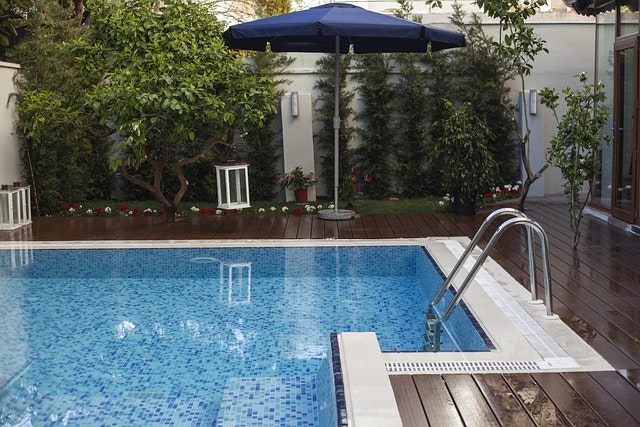
Summer Pool Safety and Liability for Property Owners
Swimming pools are a favorite way to cool off in the summer, but they also bring important safety and legal responsibilities. Understanding potential risks, liability concerns, and preventive measures helps property owners keep their guests safe while reducing exposure to legal claims. With thoughtful planning, regular maintenance, and awareness of state requirements, pool owners can enjoy the season with greater confidence.
This guide outlines essential safety considerations, common hazards, legal principles like premises liability and attractive nuisance, and practical steps that help minimize risk.
Why Pool Ownership Involves Heightened Responsibility
While a pool can enhance both property value and enjoyment, it also increases the likelihood of accidents. Issues such as drowning, falls, equipment malfunctions, or inadequate supervision can lead to injuries with serious consequences. Even small oversights—like failing to repair a loose step or ignoring cloudy water—may contribute to preventable harm.
Many incidents fall under the concept of premises liability. This legal framework requires property owners to maintain reasonably safe conditions for anyone on the property. If someone is injured due to a hazard that should have been addressed or disclosed, the owner may be held financially responsible.
To establish liability, an injured person generally must show that a dangerous condition existed, that the property owner knew or should have known about it, that the hazard was not properly corrected or warned about, and that this failure directly caused the injury. Understanding these elements helps property owners identify and address risks before they lead to accidents.
Hidden Safety Hazards and Visible Risks
Premises liability often hinges on whether a danger was obvious or concealed. Property owners are not usually required to warn guests about risks that are clearly recognizable—for instance, most people understand that wet surfaces can be slippery.
However, hidden hazards require corrective action or clear warnings. Examples of less visible risks include:
- Pool ladders that are cracked, loose, or unstable
- Drains that malfunction or create unsafe suction
- Tiles beneath the water that are loose, uneven, or damaged
- Depth changes that are abrupt or inadequately marked
Because these issues are not always apparent to swimmers, property owners must inspect regularly and make repairs promptly. Proactive maintenance reduces risk and demonstrates a commitment to guest safety.
Legal Duties Related to Children and the Attractive Nuisance Doctrine
Pools are especially appealing to children, who may not recognize the danger water poses. Many states apply the attractive nuisance doctrine to situations involving children and unsecured hazards such as swimming pools. Under this legal principle, property owners may have a heightened duty to take preventive measures, even when children enter the property without permission.
Recommended safeguards often include fencing that is at least four feet tall, along with gates that automatically latch or close. Depending on local regulations, alarms on doors or pools themselves may also be required.
If a child gains access to a pool and suffers an injury, courts will typically evaluate whether the property owner took appropriate precautions to prevent unsupervised entry.
Practical Pool Safety Steps for Property Owners
Reducing pool-related hazards starts with consistent, thorough safety habits. Property owners can significantly decrease risk by implementing several essential measures:
- Secure the pool area. A well-built fence or barrier limits unauthorized access. Automatic latching gates help prevent children from entering unnoticed.
- Inspect and maintain all equipment. Ladders, pumps, drains, slides, and covers should be checked frequently to ensure they are in safe working condition.
- Address concealed hazards quickly. Cracked tiles, submerged debris, dim lighting, and other issues should be repaired promptly or clearly disclosed until fixed.
- Ensure attentive supervision. Accidents can happen within seconds. Assigning a responsible adult to monitor swimmers helps prevent emergencies.
These practices support a safer environment and can demonstrate that reasonable care was exercised if a liability claim arises.
Equipment and Maintenance: Key Safety Considerations
Pool equipment that is improperly installed, poorly maintained, or outdated may create significant safety risks. Drains with defective mechanisms can produce dangerous suction. Worn ladders or unstable diving platforms can contribute to falls. Even a damaged pool cover can lead to unexpected immersion risks if someone steps onto it unknowingly.
In certain situations, responsibility may be shared between property owners and additional parties such as manufacturers, installers, or distributors if defective equipment plays a role in an injury. Keeping equipment in proper working order is essential for minimizing both physical risks and legal exposure.
Insurance Considerations for Properties with Swimming Pools
Because pools increase the potential for injury claims, proper insurance coverage is crucial. Most homeowners’ insurance policies require owners to report the presence of a pool. Failure to disclose a pool—or failure to comply with required safety measures—may affect coverage if an incident occurs.
Those who frequently entertain guests may benefit from reviewing or increasing liability limits. Some property owners also obtain umbrella insurance to provide an additional layer of protection beyond standard policy limits.
Understanding applicable coverage helps ensure property owners are properly insured and prepared for unexpected incidents.
How to Respond If a Pool Accident Occurs
Even with strong safety practices in place, accidents can still happen. When an injury occurs, the first step should always be seeking medical assistance for anyone who is hurt. Once immediate medical concerns are addressed, documenting the scene and gathering witness names or statements can help preserve important information.
Property owners should refrain from speculating about cause or accepting blame before all facts are known. Consulting an attorney can help clarify responsibilities, rights, and appropriate next steps.
Taking timely, responsible action supports both safety and compliance with legal obligations.
Swimming pools offer relaxation and enjoyment but require ongoing attention to safety, maintenance, and liability considerations. For questions about pool safety, premises liability, or legal guidance following a pool-related incident, the team at Law Offices, P.C. Attorneys Sanford M. Hill & Dakota Finster is here to help you understand your options and protect your interests.