Essential Steps to Take After a Personal Injury
Experiencing a sudden injury can leave you overwhelmed, especially when you’re juggling physical pain, medical visits, and questions about what to do next. Acting quickly and making informed decisions can protect your health and strengthen any future personal injury claim. The steps below outline practical measures that can help preserve your well-being and your legal rights.
These guidelines reflect proactive actions that support your recovery and ensure important details are documented. While every situation is different, staying organized and taking thoughtful steps early on can prevent complications later.
Below are the key actions to consider after experiencing an accident or injury.
Get Medical Care Right Away
Your health should always be your top priority. Even if you feel your injuries are not severe, it is important to seek medical attention as soon as possible. A medical evaluation can identify issues that may not be noticeable immediately.
Many injuries, including soft tissue damage, internal injuries, and concussions, may not show symptoms until hours or days after an accident. Receiving prompt care helps detect these conditions early and prevents them from worsening.
Medical documentation also plays an important role in personal injury cases. These records create a timeline of your symptoms, treatment, and recovery, which can help clarify the seriousness and cause of your injuries.
Report What Happened
After an accident, make sure the incident is reported to the right party as quickly as possible. This step is essential for establishing an official record of the event.
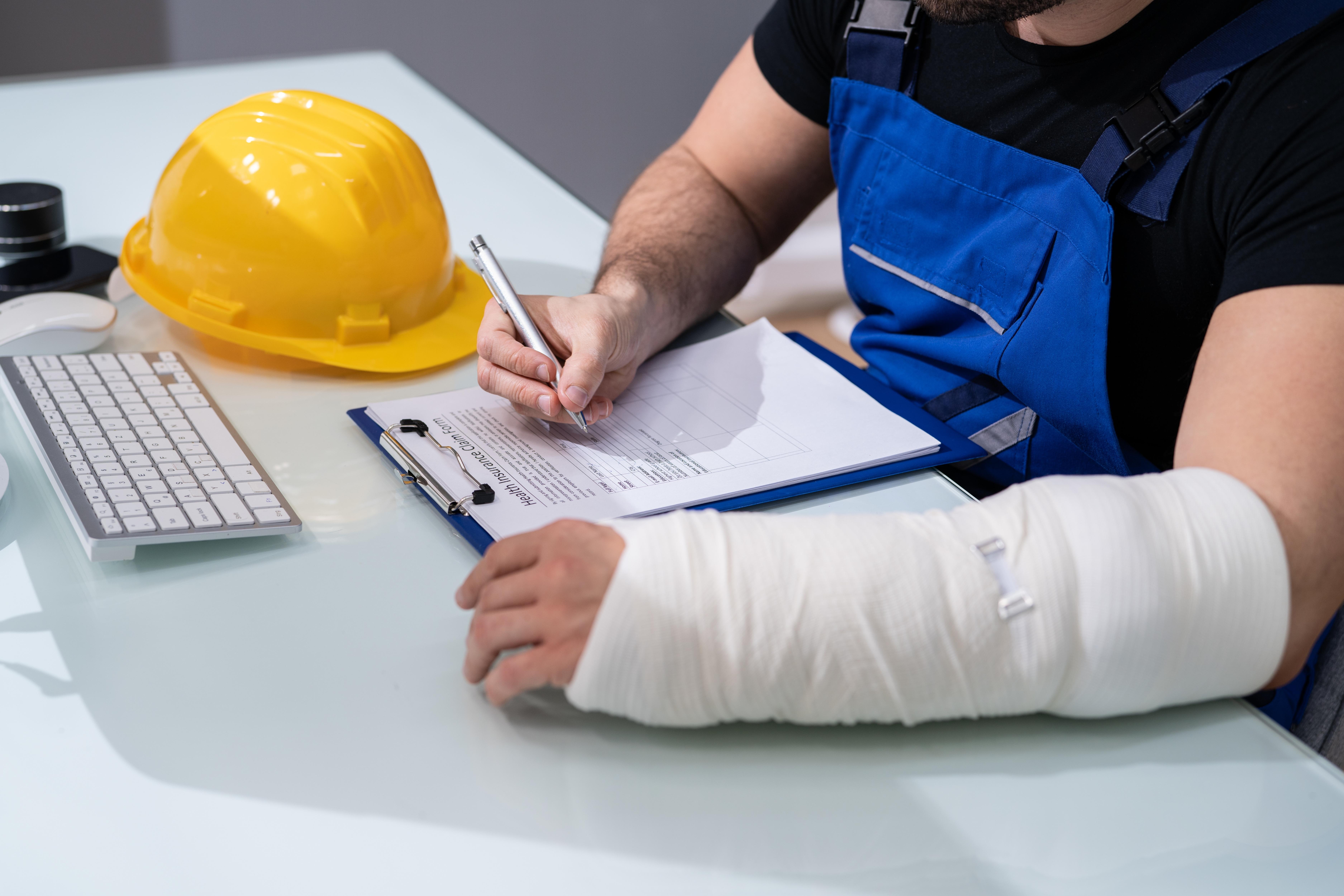
Depending on how the accident occurred, this may involve filing a police report, notifying a property owner, completing a workplace incident form, or informing another responsible party. Timely reporting ensures that the date, time, and circumstances are clearly documented.
Having this information recorded early can prevent misunderstandings and help verify what happened if questions arise later.
Take Photos and Gather Information
If you can, try to preserve details from the accident scene soon after the incident. Important evidence can be lost or altered quickly.
Photos and videos can be especially helpful. Consider capturing images of areas such as:
- Any visible injuries
- Damage to vehicles involved
- Unsafe conditions or hazards
- Weather conditions at the time
- Signs or warnings in the area
- The overall surroundings of the scene
If witnesses were present, collect their names and contact information when possible. These early details can offer valuable clarity when reviewing what occurred.
Keep Important Records
A personal injury can create unexpected financial pressures. Keeping detailed records related to the incident and your recovery can help you stay organized and preserve important evidence.
It is helpful to save items such as:
- Invoices and bills from medical providers
- Receipts for medications
- Notes or evaluations from physical or occupational therapy
- Repair estimates for damaged property
- Pay statements reflecting missed work
- Travel costs associated with medical treatment
Maintaining a written recovery journal can also be beneficial. Describing your day-to-day symptoms, discomfort, sleep challenges, or changes in mobility can offer insight into how the injury affects your daily life.
Be Careful When Talking to Insurance Companies
Soon after an accident, an insurance adjuster may reach out. While they may seem supportive, it is important to approach these conversations cautiously.
Statements you provide, documents you sign, or early settlement offers may impact your ability to pursue full compensation. Some quick settlements may not reflect long-term medical costs, future treatment needs, or lost income.
Before agreeing to anything, make sure you fully understand the implications and are aware of your rights.
Follow Your Doctor's Recommendations
Once you begin treatment, it is important to follow your provider’s instructions and attend all scheduled appointments. Staying consistent with treatment shows a clear connection between your injuries and the accident.
Gaps in treatment or missed appointments can create uncertainty about the seriousness of your injuries or your commitment to recovery.
If you have concerns about your treatment plan, discuss them with your healthcare provider rather than stopping or modifying care on your own.
Be Careful on Social Media
Many people do not realize that social media activity can be reviewed in a personal injury case. Content posted online—even casually—may be taken out of context.
Photos, videos, location tags, and comments can misrepresent your physical condition or be used to challenge your claims.
While your case is pending, it is generally best to avoid sharing information about the accident, your injuries, or your recovery process.
Do Not Wait Too Long
Personal injury claims are subject to legal deadlines, which differ depending on the circumstances. Waiting too long to take action can make it more difficult to gather evidence, speak with witnesses, and protect your rights.
Seeking guidance early can help you understand what steps to take and what to expect during the process.
The decisions you make after a personal injury can significantly impact your future. Acting promptly, staying organized, and educating yourself will help you navigate challenges and avoid common pitfalls. If you have questions or need assistance following an accident, our team is ready to support you.