
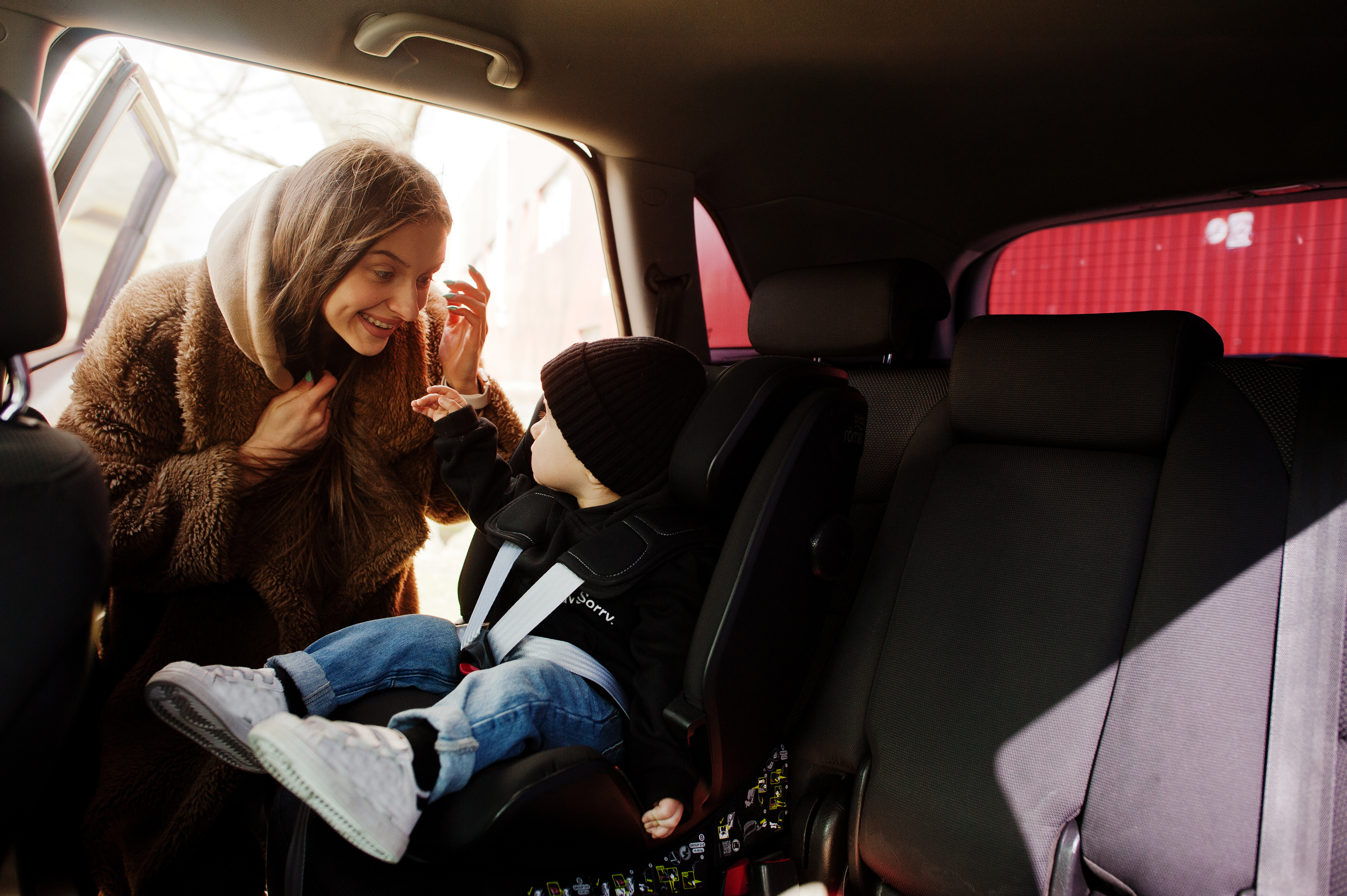
Essential Car Seat Safety Tips for Child Passenger Protection
Child Passenger Safety Week serves as an important reminder for families to reassess how children are secured in vehicles. Reviewing car seat setup, installation, and fit can significantly strengthen protection and reduce the risk of injury during a crash. Even small adjustments can make a meaningful difference in everyday travel safety.
Motor vehicle collisions continue to be a major cause of injury for children, but using the proper car seat or booster seat greatly improves safety. Taking a moment to revisit guidelines and ensure everything is correctly positioned helps create safer travel habits for everyone in the vehicle.
Choosing the Right Car Seat for Your Child
Selecting the correct restraint system is one of the most important aspects of keeping young passengers protected. Each type of seat—rear‑facing, forward‑facing, booster, and eventually the vehicle’s seat belt—provides age‑ and size‑appropriate protection as children develop.
Transitioning to the next stage before a child is physically ready can reduce the level of protection in a crash. A properly fitted seat supports the head, neck, and body more effectively, helping minimize potential injuries.
Because children grow quickly, caregivers should review manufacturer instructions regularly to confirm the seat still meets the child’s current size and needs. A setup that was appropriate last year may no longer provide optimal safety today.
Why Proper Installation Matters
Even a high‑quality car seat cannot perform as intended if it is not installed correctly. Many adults are surprised to learn that installation mistakes are common, even among experienced caregivers.
A secure installation limits movement at the base of the seat. If the seat shifts excessively, feels loose, or tilts, it may not offer full protective benefits.
Because installation steps can vary and sometimes feel complicated, reviewing instructions closely and seeking help when needed can make a substantial difference. Often, just a few adjustments can increase overall safety.
Paying Attention to Harness Placement
After installation, the harness system ensures the child remains properly secured. Straps should lay flat against the body, free from twists, and should be tightened enough to remove unnecessary slack.
The chest clip should sit at armpit level to help the harness function correctly during sudden stops or collisions. This placement supports proper alignment and improves restraint performance.
Loose harnesses, twisted straps, or misplaced clips can reduce protection. A quick check before each trip helps ensure the child is seated safely.
Do Not Transition Out of Booster Seats Too Early
As children grow older, booster seat safety is sometimes overlooked. Many families assume a child can use an adult seat belt before the belt actually fits correctly. Vehicle seat belts are designed for fully grown passengers, not young children.
Booster seats help guide the lap and shoulder belts into the correct position across a child’s lap and chest. Without this positioning, the belt may not provide adequate protection in a crash.
Most children need a booster seat until reaching approximately 4 feet 9 inches in height. Before transitioning out of a booster, caregivers should verify that the lap belt rests on the upper thighs and that the shoulder belt sits comfortably across the center of the chest.
The Value of a Professional Car Seat Inspection
Child Passenger Safety Week offers an ideal opportunity to schedule a professional car seat inspection. Even when caregivers feel confident in their installation, a trained specialist can provide reassurance and identify any issues that may have been overlooked.
Certified Child Passenger Safety Technicians are trained to spot common installation errors, provide guidance, and confirm that the seat is being used appropriately. These inspections are frequently offered at no cost and are a valuable resource for families committed to safety.
Regular checks are especially helpful as children move through different stages of car seats, ensuring each transition is handled safely and correctly.
Building Safer Habits Every Day
Child passenger safety requires ongoing attention. Because children’s needs change rapidly, their car seat configuration should be reviewed often to ensure it still offers appropriate protection.
Consistent habits—such as verifying harness tightness, confirming installation stability, and ensuring continued readiness for booster or seat belt use—can significantly reduce the risk of injury during an accident. Child Passenger Safety Week acts as a reminder to revisit these basic steps and make updates as needed.
Protecting children on the road begins with awareness and careful attention. If you have questions about injuries, collisions, or legal options following an accident, our team at Law Offices, P.C. Attorneys Sanford M. Hill & Dakota Finster is here to offer knowledgeable guidance and dependable support. We are committed to helping you when it matters most.