
Back-to-School Safety Tips for Families
As the school year approaches, families begin shifting from relaxed summer schedules to early mornings, homework routines, and busier days. This transition is also an ideal moment to revisit safety habits that help protect children throughout their daily activities. From morning commutes to time spent after school, being prepared and aware plays a major role in keeping students safe.
Back-to-school safety covers far more than what takes place inside the classroom. Throughout the day, children move through different environments where simple precautions can make a meaningful difference. Spending a few minutes reviewing these basics can help students feel more confident and provide families with peace of mind.
Safe Habits Before the School Day Starts
A child’s journey to school is one of the most important safety moments of the day. Whether students walk, bike, ride the bus, or travel with a parent, building strong routines beforehand can reduce risks and support safer travel.
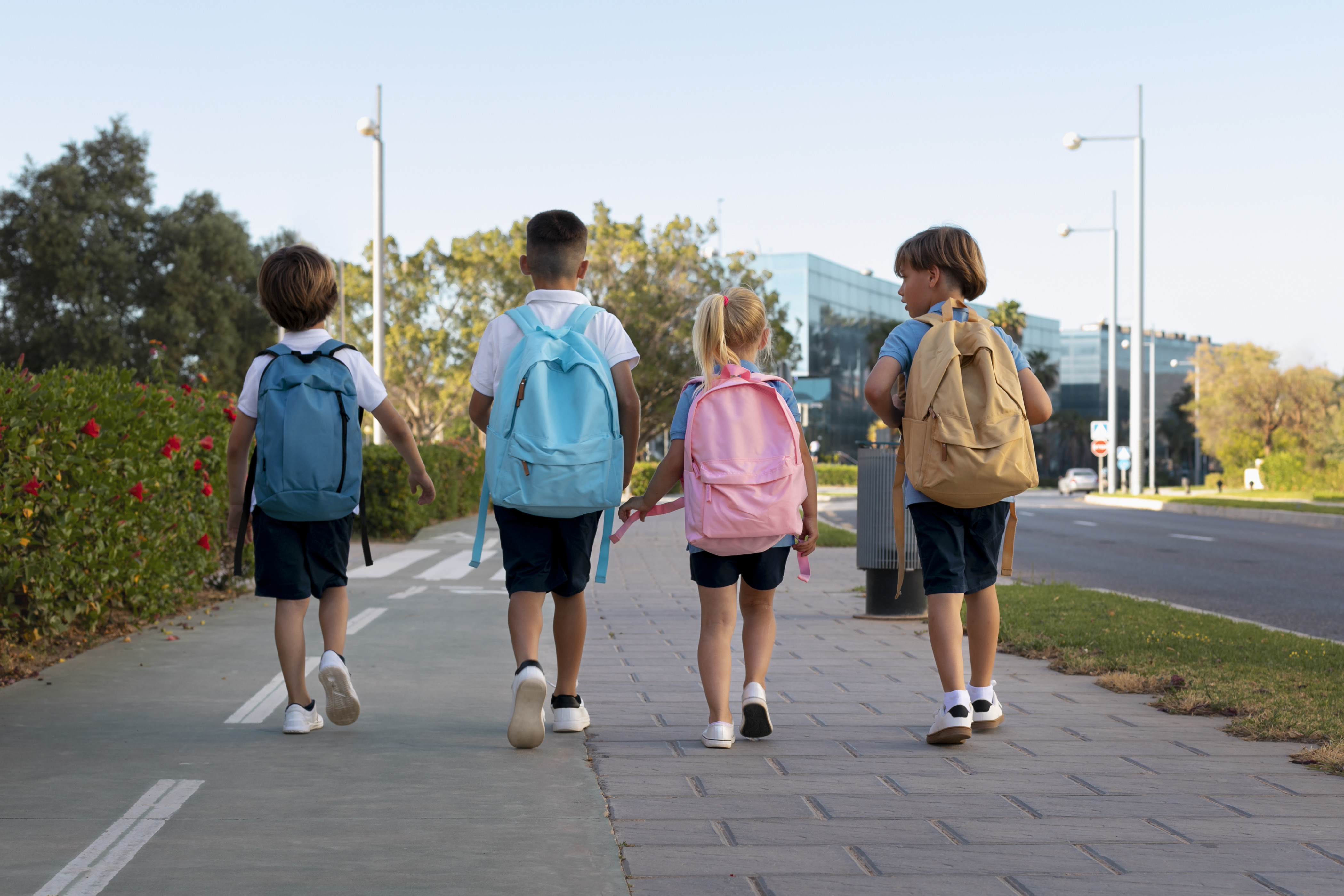
For children who walk to school, staying on sidewalks whenever possible is essential. Families should encourage kids to cross only at marked intersections or crosswalks. While looking both ways is a basic safety rule, making eye contact with approaching drivers can provide added assurance before stepping into the street. Walking with a sibling or friend can also help younger students stay more aware and feel supported on their route.
Students who bike to school need to prioritize wearing a properly fitted helmet every time they ride. They should remain on the right side of the road and travel in the same direction as vehicles. Stopping fully before entering a crosswalk or intersection is also an important habit. Families may consider choosing bike routes with less traffic to create a safer, calmer commute.
Bus riders benefit from a few simple reminders as well. Children should stand a safe distance—about six feet—from the curb while waiting for their bus. They should approach only after the bus has come to a complete stop. Students should avoid walking directly in front of or behind the bus unless they are certain the driver can clearly see them. These precautions help reduce the risk of accidents during busy pickup times.
Parents who drive their children to school play a key role in school zone safety. Following designated drop-off instructions, reducing speed in school areas, and never passing a bus that is actively loading or unloading students are important daily practices.
Teen drivers may also need refresher conversations before the school year begins. Reviewing expectations around wearing seatbelts, obeying traffic laws, limiting passengers, and avoiding phone use can help encourage responsible and attentive driving.
Building Safe and Healthy School-Day Routines
Once children arrive at school, several simple practices can help keep them safe and support their overall well‑being throughout the day.
Emergency preparedness is one important area. Children should know their full name, home address, and the phone number of a parent or guardian. Many families also choose to place a small laminated card in a backpack listing emergency contacts and relevant medical information. This can be especially helpful if assistance is ever needed when a parent is not present.
Illness prevention becomes more important during the school year because students spend long hours in close contact with one another. Teaching children how to wash their hands thoroughly and reminding them not to share food or drinks can help limit the spread of germs in classrooms and lunch areas.
Backpack safety is another topic worth reviewing. Carrying heavy bags day after day can place unnecessary strain on a child’s shoulders and back. Experts recommend that a backpack weigh no more than 15% of a student’s body weight. Using both shoulder straps can help distribute weight more evenly and prevent discomfort.
Bullying prevention remains a priority for families and schools alike. Children should feel comfortable discussing what bullying looks like and how to ask for help if they ever feel threatened. Knowing which adults they can speak to at school can help them feel supported and empowered.
Labeling personal belongings also deserves attention. Rather than placing a child’s full name on the outside of a backpack or lunchbox, families may choose to use initials or place identifying labels inside the item to maintain privacy.
Staying Safe After School
Safety planning continues once the school day ends. With families juggling work schedules, after‑school programs, and transportation, it helps to create predictable routines that children can follow.
Setting up a daily check‑in can be a helpful strategy. Children who walk home or arrive home before a parent can send a quick message or make a call to confirm they arrived safely. Some families choose to use location‑sharing apps or GPS tags on backpacks for additional reassurance.
If a child will spend time at home alone, clear expectations should be discussed in advance. Families can review rules about locking doors, answering the phone, and whether visitors are allowed. Children should also know how to respond if someone they do not recognize comes to the door.
Internet safety is another essential topic throughout the school year. Parents can remind children not to share personal information online, including their address, school name, or daily routine. Encouraging open conversations about online interactions can help children feel safe reporting anything unusual or uncomfortable.
Reviewing emergency plans at home is also valuable. Children should know the designated meeting spot outside the home, what to do during severe weather, and who they should contact if an adult is not available. Practicing these plans regularly can help children respond more calmly in unexpected situations.
The back‑to‑school season brings new routines, opportunities, and excitement. Taking time to review safety habits before, during, and after the school day can help families feel more prepared for the months ahead. If you have questions about keeping your family safe or want guidance on personal protection and planning, our team is always available to support you.